
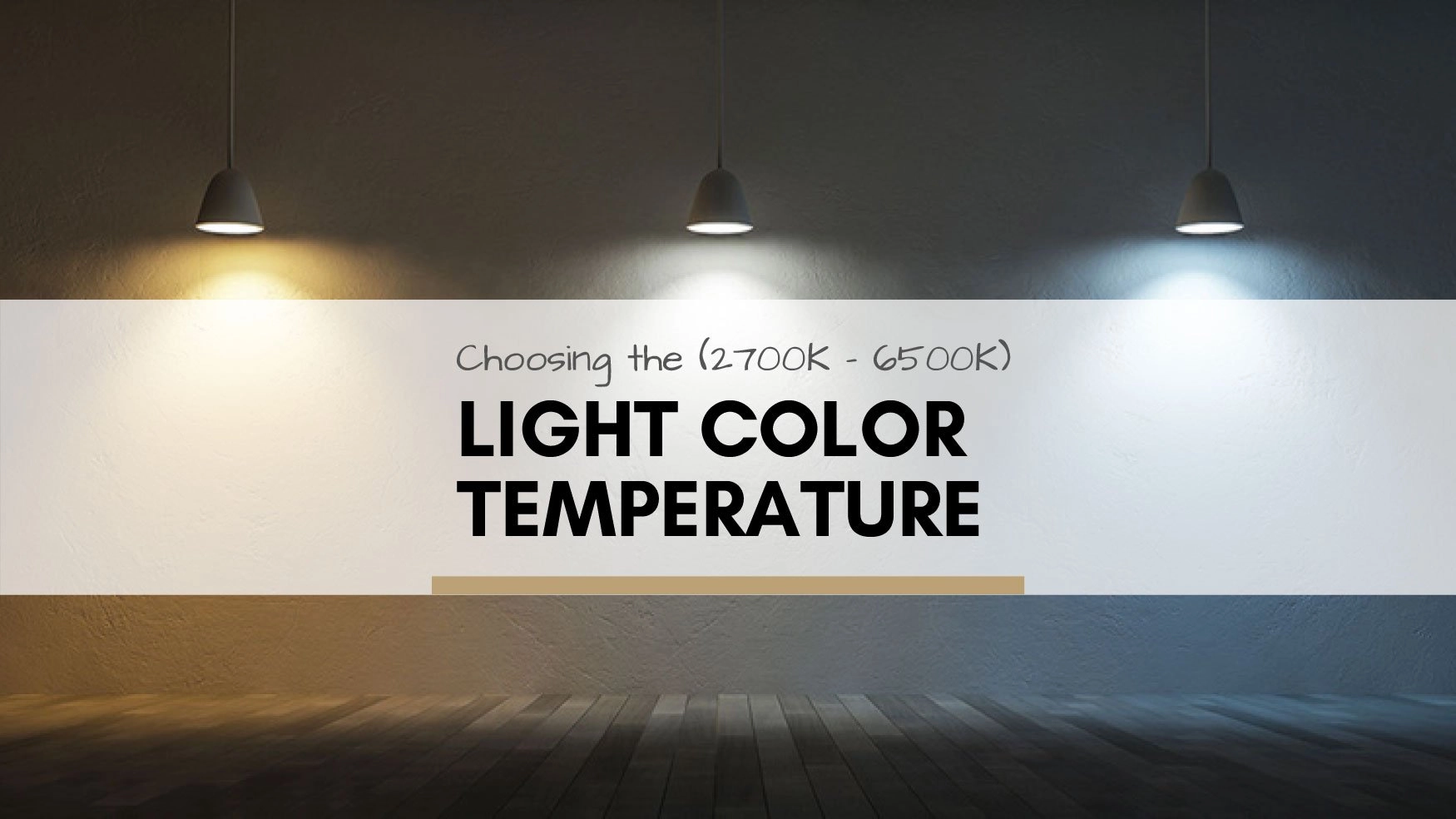
Since Edison introduced the first electric light bulb in 1879, most lighting used the same Soft White color temperature of 2700K. These bulbs emit a slightly yellowish glow, giving homes a warm and cozy feel for over 130 years.
While this works well in bedrooms and living rooms, other spaces may need a different approach. Bathrooms, kitchens, basements, and garages often benefit from truer white light. Brighter, whiter light improves visibility for tasks like cooking, applying makeup, or working on projects.
With modern CFLs and LEDs, bulbs now come in a wide range of color temperatures, giving homeowners more choices for every room.
Understanding Light Color Temperature
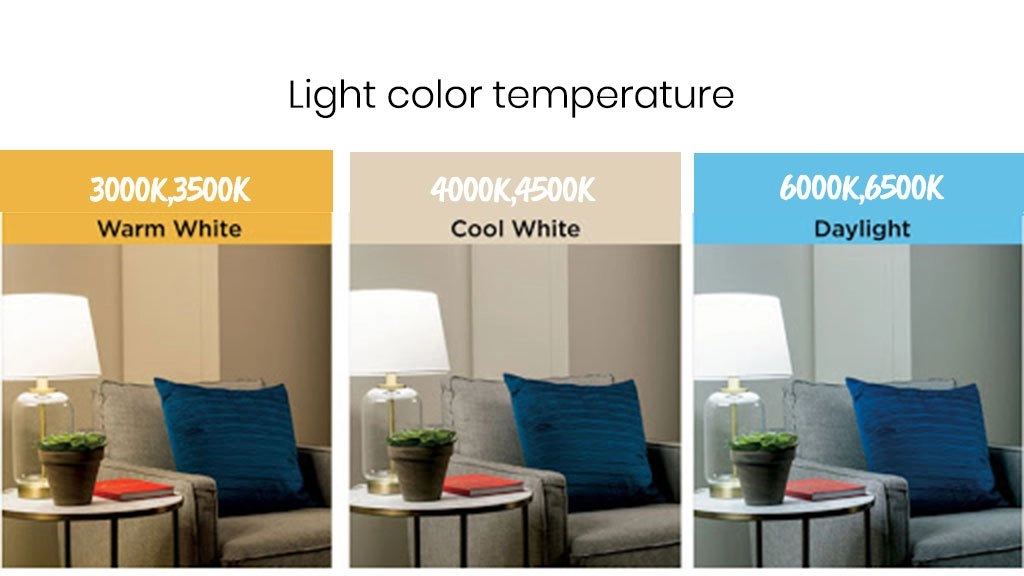
Kelvin (K) measures a bulb’s color temperature. The higher the Kelvin rating, the whiter the light appears. Household light fixtures typically fall into three categories:
-
Warm White (2700K–3000K): Cozy, yellowish light
-
Natural White (3500K–4100K): Neutral, balanced light
-
Daylight (5000K–6500K): Bright, bluish-white light
Although whiter lights look brighter, their brightness in lumens does not change. Warm white lights can also emphasize warmer colors (reds, oranges) in a room, which can affect contrast and overall appearance.
Choosing the Right Color Temperature for Your Home
To light your home effectively, match color temperatures to each room’s function:
-
Ambient lighting: Sets the overall mood. Warm white works well in bedrooms and living rooms. Neutral white brightens kitchens, offices, and bathrooms.
-
Task lighting: Supports activities that require precision. Neutral to cool white (3500K–5000K) provides good contrast for workspaces, makeup areas, or kitchens.
By selecting the correct Kelvin rating for each area, you can balance warmth, clarity, and functionality throughout your home.
LIGHT Color Temperatures
Kelvin temperature can help you select the right fixture for each room, in addition to choosing the bulb type. Whether you need ambient lighting or focused task lighting, consider these ranges:
Less than 2000K: Produces a dim, candle-like glow; ideal for low-light areas that benefit from soft ambient illumination.
2000K–3000K: Offers a soft white glow with yellow tones; perfect for living rooms, bedrooms, dining rooms, and outdoor spaces.
3100K–4500K: Gives bright white light; suitable for kitchens, offices, workspaces, and vanities where task lighting is essential.
4600K–6500K: Emits a blue-white light similar to daylight; great for display areas or environments that require bright illumination.
6500K and above: Produces a bright bluish hue, commonly used in commercial spaces; best for intense task lighting.
Color Temperatures for Ambient Lighting
Ambient lighting sets the mood and overall feel of a room. Warm white lights (2700K–3000K) create a cozy atmosphere in bedrooms and living rooms. They pair well with earthy tones and wooden furniture.
If a room uses multiple types of ambient light—like downlights and cove lighting—use the same color temperature for a consistent effect.
Rooms with light-colored furniture or crisp modern colors (white, blue, grey) may benefit from neutral white lighting (3500K–4000K). Neutral and cool white lights energize the space and enhance contrast, making them ideal for home offices, studies, and bathrooms.
For bathrooms, aim for 4000K–5000K in the main fixture. If you want a warmer ambiance near a bathtub, add a wall sconce with warm white light (2700K) that operates independently.
Color Temperatures for Task Lighting
Task lighting focuses on areas where you perform detailed visual activities. Neutral to cool white light (3500K–5000K) provides the contrast needed for clarity.
When choosing task lighting, consider not just color temperature, but also:
Color Rendering Index (CRI): A CRI of 90+ is ideal for tasks requiring accurate color perception.
Brightness: Ensure the light is strong enough to illuminate the task without creating shadows.
Well-rendered task lighting improves everyday activities. For example:
Food looks more appetizing under properly colored kitchen lights.
Makeup appears more realistic under lights with high CRI.
Light color temperature and where to use it

Lower Kelvin values produce a more yellowish light. For example, 2700K is warmer and more yellow than 3000K. Warm white light creates a cozy, traditional atmosphere, making it ideal for family rooms, bedrooms, and living rooms. It also works well in any space that requires an intimate, personal mood.
Neutral White / Bright White / Natural White (4000K)
Neutral white provides a clean, friendly light. It brightens rooms such as offices, kitchens, bathrooms, workspaces, and garages. This color temperature gives spaces a whiter, more energetic feel.
Daylight (6000K–6500K)
Daylight emits a cool, bluish-white light. It works well for hospitals, makeup rooms, reading areas, and detailed projects. It provides the greatest color contrast, making it ideal for commercial or highly focused tasks.
Light temperatures above 3500K are often used in commercial and hospital settings because of their bright, bluish cast. While they may feel harsh in home interiors, they can still serve as effective task lighting in kitchens, offices, or work areas at 4000K and above.


Pingback: 2021 - HOME LIGHTING BLOG - IDEAS & TIPS %
Pingback: 2021 LIGHTING DESIGN BLOG - BASIC PRINCIPLES, IDEAS & TIPS