

Japandi lighting is more than a trend it is a design philosophy rooted in calmness, functionality, and natural beauty. By blending Japanese minimalism with Scandinavian warmth, Japandi lighting creates interiors that feel peaceful, refined, and deeply human.
In this blog, we’ll explore what Japandi lighting really means, its core design principles, materials, color palettes, fixture types, and how you can incorporate it into modern homes and commercial spaces.
What Is Japandi Lighting?
Japandi lighting is a calm and beautiful blend of Japanese and Scandinavian design. It brings together the quiet simplicity of Japanese style, inspired by Wabi-Sabi, with the cozy, practical feel of Scandinavian interiors.
From Japan, it takes a love for natural materials, soft diffused light, gentle textures, and the beauty found in imperfection. The focus is on simplicity, restraint, and organic forms that feel peaceful and balanced.
From Scandinavia, it adds functional minimalism, light wood finishes, neutral tones, and the comforting warmth of hygge. Everything has a purpose, yet still feels welcoming and relaxed.
The result is lighting that feels natural, warm, and timeless simple without being plain, elegant without being loud, and always inviting.
Understanding the Wabi-Sabi Influence in Japandi Lighting
A major influence behind Japandi lighting is the Japanese philosophy of Wabi-Sabi the appreciation of imperfection, natural aging, and quiet beauty. This philosophy encourages the use of textured ceramics, unfinished wood, linen shades, and soft diffused light that feels organic rather than artificial.
If you’d like a deeper exploration of how Wabi-Sabi principles shape minimal home aesthetics, this detailed guide from Northern Cult offers excellent insight:
https://northerncult.com/japandi-wabi-sabi-lighting-minimal-home-design/
By understanding this philosophy, it becomes easier to design lighting schemes that feel intentional, calming, and timeless rather than trend-driven.
Core Principles of Japandi Lighting
1. Minimal but Meaningful
Japandi fixtures are simple in form but rich in texture. There is no excess ornamentation. Every curve, material, and proportion serves a purpose.
2. Soft, Ambient Glow
Instead of harsh brightness, Japandi lighting focuses on warm, diffused illumination. The goal is atmosphere, not glare.
3. Natural Materials
Expect to see:
- Light oak and ash wood
- Linen and cotton shades
- Rice paper diffusers
- Stone and ceramic bases
- Matte black or brushed metal accents
4. Neutral Color Palette
Japandi lighting favors:
- Warm whites
- Soft beige
- Taupe
- Muted greys
- Charcoal
- Earthy browns

Popular Types of Japandi Lighting Fixtures
1. Wooden Pendant Lights
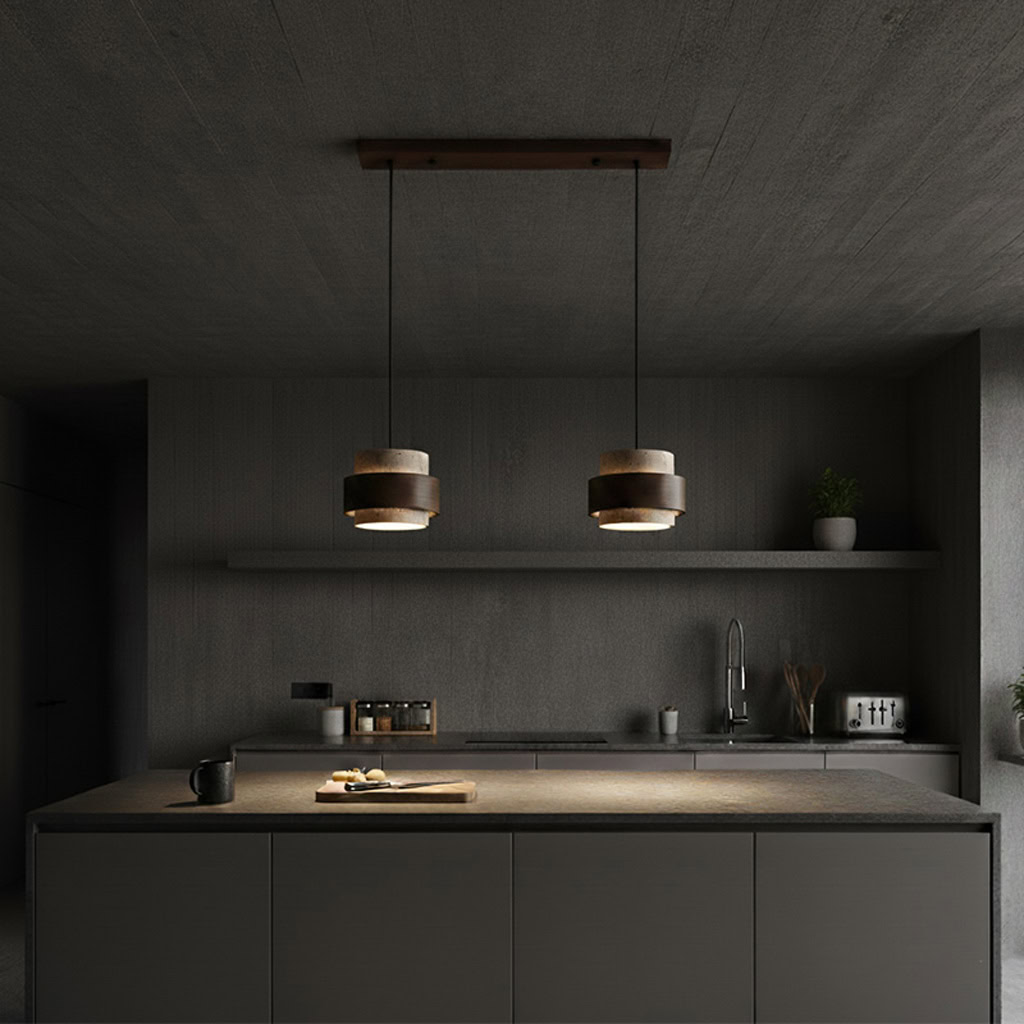
Linear or dome-shaped pendants made of natural wood are common in Japandi kitchens and dining areas. They provide both sculptural elegance and focused task lighting.
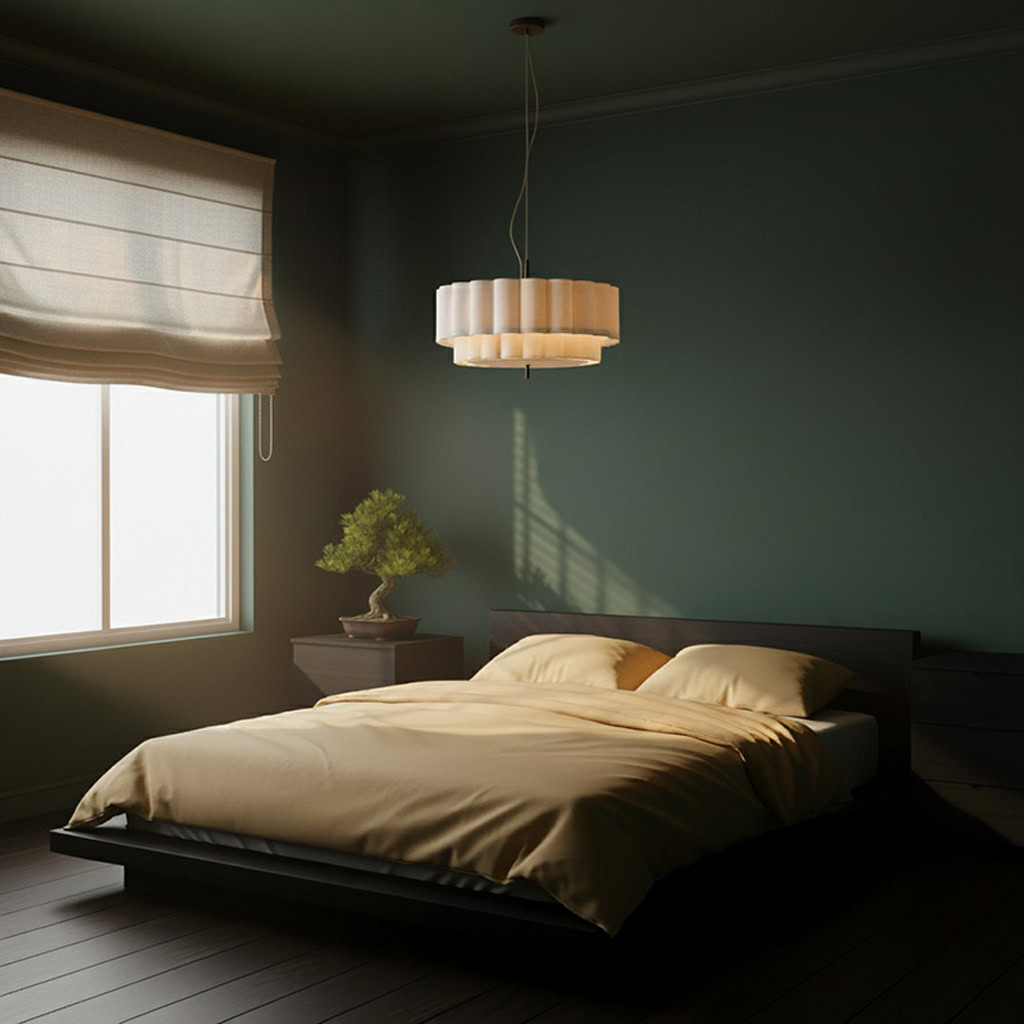
2. Paper & Fabric Pendant Lamps
Inspired by Japanese lanterns, these fixtures create a diffused glow that softens the entire room.
3. Minimalist Wall Sconces
Slim black or wooden sconces with warm LED light are perfect for bedrooms and hallways.
4. Sculptural Table Lamps
Ceramic bases paired with linen shades add warmth to bedside tables and reading corners.
5. Linear Island Lights
Japandi linear lights combine wood and soft LED strips, ideal for kitchen islands and workspaces.
Why Japandi Lighting Is So Popular in Modern Interiors
✔ Creates a Calm Environment
In today’s fast-paced world, interiors are becoming retreats. Japandi lighting supports mental well-being through soft illumination and uncluttered design.
✔ Works in Small and Large Spaces
Its minimalist approach makes rooms feel bigger, brighter, and more breathable.
✔ Blends With Contemporary & Modern Decor
Japandi lighting integrates beautifully with modern, minimalist, organic modern, and even transitional interiors.
✔ Sustainable Appeal
The focus on natural materials and durability aligns with eco-conscious design trends.
How to Use Japandi Lighting in Your Space
Living Room
Layer your lighting for a balanced, cozy feel. Add a soft floor lamp for ambient light, a wooden ceiling pendant as a focal point, and a minimal table lamp for subtle accents. Keep the brightness warm (2700K–3000K) to maintain a relaxed atmosphere.
Bedroom
Choose lights with linen or paper diffusers to create a gentle, calming glow at night. Soft, diffused lighting helps the space feel peaceful and perfect for winding down.
Kitchen
Install a wooden linear pendant above the island to keep the look clean and natural. Stick to matte finishes and avoid anything glossy to maintain that soft, organic feel.
Dining Area
Use a single statement pendant in wood or stone to anchor the table. It should feel sculptural yet simple a piece that adds warmth without overwhelming the space.
Japandi Lighting vs. Scandinavian Lighting
While Scandinavian lighting is bright and airy, Japandi lighting introduces deeper tones and subtle contrast. Scandinavian design favors white dominance, while Japandi embraces beige, taupe, and muted earth tones for added warmth and grounded elegance.
Key Features Summary
- Natural wood and organic materials
- Warm LED glow
- Soft diffused light
- Clean silhouettes
- Neutral earthy tones
- Functional elegance
Is Japandi Lighting Right for You?
If you appreciate calm interiors, thoughtful minimalism, natural textures, soft ambient lighting, and timeless design over passing trends, then Japandi lighting could be the perfect choice for you.
It’s not about adding decoration for the sake of it it’s about creating atmosphere. Japandi lighting gently transforms a space into a peaceful sanctuary, where simplicity feels refined, comforting, and quietly luxurious.
- FAQ
1. What is Japandi lighting?
Japandi lighting is a design style that blends Japanese minimalism with Scandinavian warmth. It focuses on natural materials, soft ambient lighting, neutral colors, and clean, functional forms.
2. What materials are used in Japandi lighting?
Common materials include light oak, ash wood, linen, cotton, rice paper, ceramic, stone, and matte black or brushed metal accents. The emphasis is always on organic, natural textures.
3. What color temperature is best for Japandi lighting?
Warm white light between 2700K and 3000K works best. It creates a cozy, calming atmosphere without harsh brightness.
4. Is Japandi lighting suitable for small spaces?
Yes. Because of its minimalist design and neutral tones, Japandi lighting helps small rooms feel open, airy, and uncluttered.
5. What is the difference between Japandi and Scandinavian lighting?
Scandinavian lighting often prioritizes brightness and white tones, while Japandi lighting incorporates deeper earthy shades and a more grounded, serene aesthetic inspired by Japanese design philosophy.
6. Can Japandi lighting work in modern homes?
Absolutely. Japandi lighting pairs beautifully with modern, minimalist, organic modern, and contemporary interiors due to its clean lines and timeless appeal.
7. What are the best Japandi lighting fixtures for a kitchen?
Wooden linear pendant lights or soft-glow pendant lamps are ideal for kitchen islands. They provide functional task lighting while maintaining the warm, minimalist Japandi aesthetic.


