
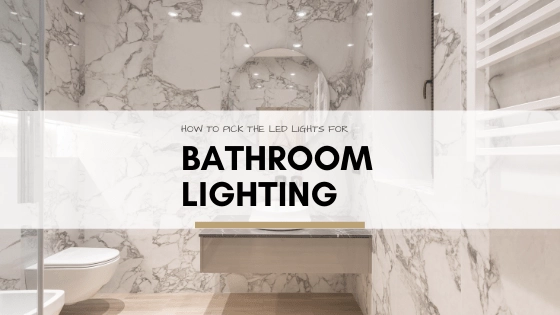
The bathroom is often overlooked when it comes to lighting. However, precise LED lighting can transform the space. It can help you relax, enhance routine tasks like applying makeup or shaving, and highlight key interior features. Proper lighting can even define the overall design of the bathroom.
Safety Considerations: IP Ratings and Zones
Bathrooms contain water, so lighting must meet minimum IP ratings to reduce the risk of electric shock. Understanding the bathroom “zones” and which IP rating applies to each area is crucial. Properly rated lights ensure safety while providing effective illumination.
What This Guide Covers
In this blog, we cover the basics of bathroom lighting design, the best types of lighting for bathrooms, and how to choose IP-rated fixtures for different zones. You’ll also learn tips to create a functional and stylish lighting plan.
Think about the atmosphere and areas where you want to illuminate
The bathroom is an important space in any home. Well-designed lighting not only beautifies the room but also improves task performance and keeps you safe. It is usually the first place we visit in the morning and the last before going to bed.
Layers of Bathroom Lighting
To create a functional and visually appealing bathroom, consider these four layers of lighting:
1. Task Lighting
Task lighting focuses on precision activities such as applying makeup, shaving, or applying creams. It ensures that these tasks are performed accurately and safely.
2. Accent Lighting
Accent lighting highlights key features, such as your reflection framed in the mirror. It adds depth and guides the eye to important areas of the bathroom.
3. Ambient Lighting
Ambient lighting creates a balanced and harmonious atmosphere. It provides general illumination that fills the room and ensures comfort.
4. Feature Lighting
Feature lighting adds personality and character to the space. It can make a statement while enhancing the overall ambiance of the bathroom.

01. Task lighting for precision tasks
Task lighting focuses on main activity areas, such as the mirror, which is often the focal point in a bathroom. To achieve a flattering and uniform light on your face, use diffused lighting. This can be done by integrating lights into the mirror or adding wall sconces on either side. These create an even vertical illumination.
For the shower area, position task lighting in relation to the shower head to ensure proper visibility.
To prevent harsh shadows over the bathtub, install a low-glare recessed downlight at the center of the tub rather than on either side. This avoids discomfort when lying down. Note that adding a LED mirror light should not be the top priority.

02. Accent lighting for sense of warmth and depth
Accent lighting guides the eye and creates points of interest in the bathroom. There are many opportunities for joinery lighting that can serve as accents.
For example, lights inside a shower niche can highlight the depth of the wall. Directional downlights over the basin create a subtle sparkle on the basin and tap, preventing the space from feeling flat.
It is important to position downlights carefully to avoid casting shadows on a person standing in front of the mirror. Uplights behind the bath or shower create a dramatic effect while highlighting any special finishes. Adding lighting to bathroom joinery introduces soft accents to areas that might otherwise feel plain.

03. Ambient lighting for sense of warmth and depth
Ambient lighting creates a welcoming and inviting mood in the bathroom. It also helps you relax and rejuvenate. Ceiling coffers and coves are excellent ways to introduce indirect light into the space.
For a striking effect, consider installing two or three lights at the back of the shower or bath instead of over the center. This placement allows the shafts of light to cascade down the wall, creating an effect similar to running water. Additionally, the light reaches the far edges of the room, enhancing the sense of space.

04. Feature lighting to make a statement
Feature lighting allows you to add personality and style to the bathroom. A pendant light in the center can transform the space and make it feel cozier while enhancing overall illumination.
Pendants can also be installed on either side of the mirror, serving as both feature lighting and additional task lighting for grooming areas. For the vanity, consider a continuous yet discreet floating light that washes down onto the floor. This creates low-level illumination that can function as a night light, staying below eye level for comfort.
It is also important to consider bathroom zones, as strict regulations determine the types of lights allowed in each area.

What kind of lighting is best for applying makeup?
Avoid placing lighting directly above your head at the basin, as this creates unflattering shadows. Instead, use pendant lights or wall lights on either side of the mirror. An illuminated mirror can also provide even light across the face.
Choose a light color temperature that complements your skin tone. For makeup application, 4500K–5000K is ideal because it is neither too warm nor too cool. For comparison, 2700K–3000K produces soft warm light, which works well for a healthy glow in photography but is less suitable for makeup.
Ensure your lights have a high CRI (Color Rendering Index). High CRI lighting displays colors accurately, helping you apply makeup more precisely. For more details, refer to our blog on color rendering.
Which IP Rate or protection class for bathroom luminaires?
When choosing IP-rated bathroom lights, we divide the space into three sections:
Floor-level lighting near the bathtub or shower: Use luminaires with an IP67 rating. These lights are protected against temporary immersion. LED strips or uplights can highlight the bathtub or back of the shower, creating dramatic effects, as discussed in the accent lighting section.
Around the shower head and bathtub/shower tray: Choose IP65-rated fixtures for areas up to 2.25 m high. These lights are protected against water jets.
Wall-mounted lighting: Use IP44-rated fixtures for walls up to 2.25 m high and within 60 cm of the bathtub or shower. These lights are protected against splash water.
Picking the right LED Lights for Bathroom lighting
To optimize your bathroom lighting design, keep these five points in mind:
Create a lighting plan: Identify specific areas to illuminate and decide on the atmosphere you want to achieve.
Incorporate all four lighting layers: Include Ambient, Accent, Task, and Feature lighting for a balanced and functional space.
Select the right specifications: Choose appropriate color temperatures, ensure a CRI above 90, and consider energy efficiency, especially in areas used for makeup.
Match fixture style to design: Coordinate lighting finishes, installation types, and color temperatures with the overall bathroom decor.
Avoid overloading the space: Too many fixtures can make the bathroom feel cluttered and reduce the effectiveness of each light.
FAQs about LED light for bathroom lighting
What is the best lighting for a bathroom?
Are LED lights good forbathroom?
Is warm white or cool white better for bathrooms?
How many lumens should you have in a bathroom?
Average lux on Task areas in the bathroom: 300 lux
Average lux on general areas in the bathroom: 200 lux
What type of lighting is best for bathroom?
What are the regulations for bathroom lights?
Download Our Free Lighting Ebook Now!
This contact form is available only for logged in users.


