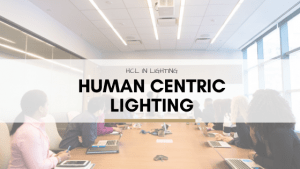
Lighting used to focus on visibility, then style became the main concern. Today, in 2026, designers are increasingly thinking about how a space feels.
Across homes, studios, and hospitality interiors, a quiet change is underway. Rather than only considering where light falls, designers now examine its emotional effect and how it supports calm, focus, and comfort throughout the day. This shift is subtle, yet precisely because it’s understated, it is noticeable.
What Do We Mean by Emotional Lighting?
Emotional lighting isn’t a product category or visual trend. Instead, it’s a mindset: considering light as part of daily well-being.
Instead of asking how much light a space needs, designers now ask how it makes people feel. Does it ease someone into the morning? Does it help them wind down at night? Can a room change mood without moving a single piece of furniture?
In practice, emotional lighting often emphasizes fewer harsh sources and more layered ones. Ambient light provides comfort, softer accent lighting sets the atmosphere, and task lighting appears only where necessary.
Why This Shift Is Happening Now
Our use of spaces has changed dramatically. Homes are no longer places we leave for most of the day and they have become offices, resting areas, social zones, and personal retreats, sometimes all within one room.
Consequently, constant bright lighting can feel exhausting. People may not always notice it consciously, but they sense the difference. Rooms that are too stark tend to create tension, whereas softer, adaptable lighting feels easier to live with.
At the same time, discussions about sleep quality, stress, and mental balance have entered everyday design thinking. Naturally, lighting has become part of that conversation.
How Light Influences Mood Without Us Realizing
Warm light continues to feel comforting, which is why it dominates living rooms and bedrooms. It mirrors the evening light that signals the body to slow down.
Conversely, cooler light has its place too. When used thoughtfully during the day, it supports alertness and concentration. The issue is not cool light itself, but using it everywhere at all times.
Contrast also plays an important role. Rooms evenly lit from wall to wall can feel flat and tiring. By introducing shadow and variation, emotional lighting gives the eyes a place to rest and allows spaces to breathe.
The Role of Adjustable and Thoughtful Lighting
Emotional lighting has become more achievable thanks to better options. Many contemporary fixtures allow adjustments in brightness and warmth, making it possible for one light to serve multiple purposes throughout the day.
This doesn’t require complex systems. Even simple dimmers or warm-toned fixtures can significantly change a room’s mood. When chosen thoughtfully, lighting products quietly support daily routines without drawing attention.
As a result, homeowners are now evaluating fixtures not only for appearance but also for how they behave once installed and lived with.
Emotional Lighting in Daily Living Spaces
In living rooms, flexibility is key. A space that works for conversation in the evening should also accommodate quiet relaxation.
Bedrooms benefit from restraint. Soft, indirect light fosters calm that no decorative element can replace. Bright ceiling lights are used less often, giving way to smaller, warmer sources.
Even work-from-home setups are evolving. Instead of harsh, office-style lighting, people favor balanced arrangements that reduce eye strain and mental fatigue while supporting focus.
Many modern lighting collections are designed with adaptability in mind, making it easier to create comfort without redesigning an entire space.
Why Lighting Is Becoming Quieter
A noticeable change in contemporary interiors is how unobtrusive lighting has become. Fixtures are present but don’t dominate. Light is reflected, diffused, or hidden rather than exposed.
This approach isn’t about minimalism for its own sake. It reflects a growing desire for spaces that feel effortless to live in. Lighting no longer needs to impress immediately, it needs to feel right over time.
A More Thoughtful Way Forward
Emotional lighting isn’t a passing idea. It reflects a deeper understanding of how environments affect people over long periods, not just in photographs.
As awareness grows, lighting decisions are becoming more deliberate. Choosing the right light is no longer solely about taste; it’s about creating spaces that support rest, focus, and emotional balance every day.
In 2026, the best lighting often goes unnoticed and that may be its greatest strength.